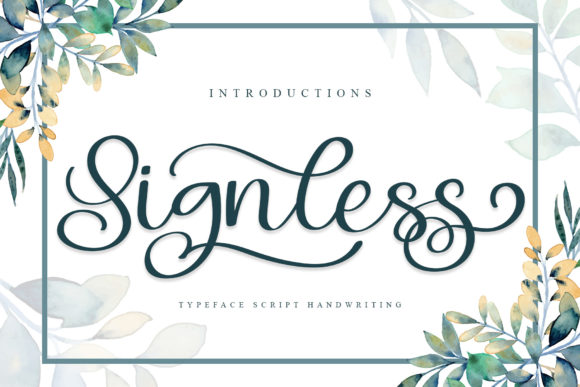
Signless Font for Elegant Branding
As a small business owner, I know how important it is to create a brand that feels consistent, professional, and memorable. One of the simplest yet most powerful tools I’ve found is the Signless font. It’s a romantic and sweet calligraphy typeface that brings a touch of luxury to any design project. Whether you’re working on a logo, packaging, or social media content, Signless can help your brand stand out in a meaningful way.
What Is Signless?
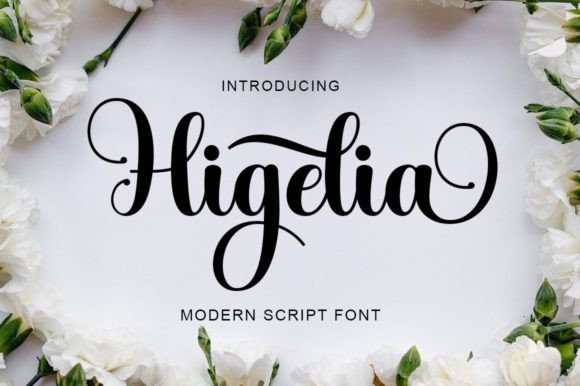
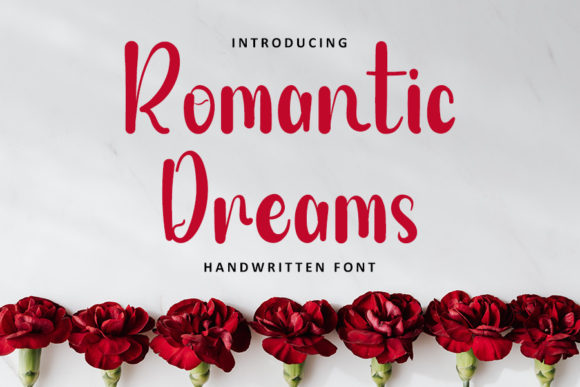
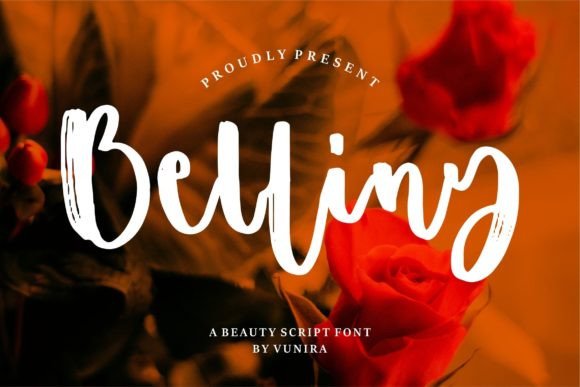
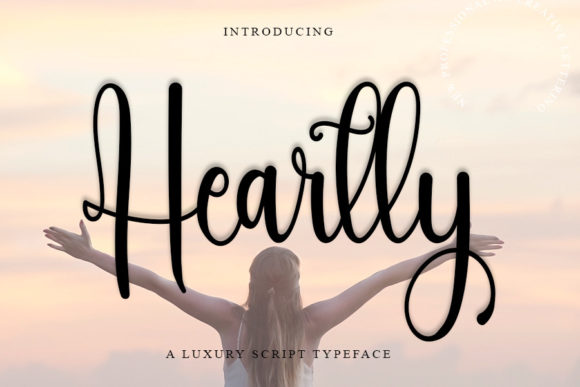
Signless is a script typeface with characters that seem to dance along the baseline. Its flowing lines and soft curves give it a warm, personal feel that’s perfect for businesses looking to convey authenticity and creativity. The style is elegant but not overly formal, making it ideal for brands that want to feel approachable while still maintaining a sense of sophistication.
This font works especially well for businesses that rely on handwritten or personalized touches, like handmade products, boutique shops, or creative services. It has a unique personality that can add character to everything from product labels to website banners.
Real-World Applications for Signless
When I first started using Signless, I was amazed at how versatile it could be. For my bakery brand, I used it for the logo and menu headings. The font gave the brand a fresh, artisanal feel that matched our values. It also worked great for product labels, where its delicate strokes made the text feel more personal and inviting.
Another area where Signless shines is in packaging design. I used it for a line of handmade candles, and the result was a clean, elegant look that felt premium without being too flashy. It also paired well with a simple sans serif font for the ingredient lists, which made the information easy to read while keeping the overall design cohesive.
On social media, I used Signless for Instagram posts and Pinterest graphics. The font added a visual flair that made our content more eye-catching. It also helped maintain a consistent look across all platforms, which is essential for building brand recognition.
When to Use Signless
Signless is best used as a headline, logo, or display font. It’s not ideal for long blocks of text due to its decorative nature, but it can be an effective accent font when paired with a more readable typeface. For example, using it for headlines and a clean sans serif for body text creates a balanced, professional look.
If you’re designing a logo, Signless can add a custom, handcrafted feel that makes your brand more memorable. It’s also great for thank-you cards, stickers, and flyers, where a bit of personality goes a long way.
Readability and Practical Use
One thing I always consider is how a font will look in real-world situations. Signless is beautiful, but it needs to be used thoughtfully. On small labels or mobile screens, it can be harder to read if the size is too small or the contrast isn’t right. That’s why I recommend testing it in different sizes and contexts before committing to it for a full brand rollout.
For printed materials, I make sure to use high-quality paper and proper ink to ensure the fine details of the font come through clearly. On digital screens, I avoid using it for large paragraphs and instead reserve it for headings and short phrases.
Font Pairing Tips
Pairing Signless with other fonts can help balance its decorative style with readability. A common approach is to pair it with a clean sans serif font like Helvetica or Arial. This creates a modern, professional look that still feels creative.
Another option is to pair it with a classic serif font like Georgia or Times New Roman. This combination adds a timeless, elegant feel that works well for businesses targeting a more mature audience.
Whatever pairing you choose, make sure the fonts complement each other and support the overall tone of your brand. Don’t be afraid to experiment with different combinations to find what works best for your business.
Testing and Licensing
Before using Signless across your entire brand, I recommend testing it in different applications. Print out samples, view them on various devices, and see how they look in different lighting conditions. This helps ensure the font works well in real-life scenarios.
Also, remember to check the commercial font licensing terms. Some fonts have restrictions on how they can be used, especially if you’re creating products, packaging, or templates for clients. Always make sure you have the right license to avoid any legal issues down the line.
Why Signless Matters for Your Business
Using the right font isn’t just about aesthetics—it’s about how your brand is perceived. Signless helps create a cohesive, professional look that builds trust with customers. It makes your branding feel more polished and intentional, which is crucial for small businesses trying to stand out in a competitive market.
Whether you’re launching a new product line or updating your website, Signless can be a valuable addition to your design toolkit. It’s a font that feels both modern and timeless, and it can help your business communicate its values more effectively through visual design.