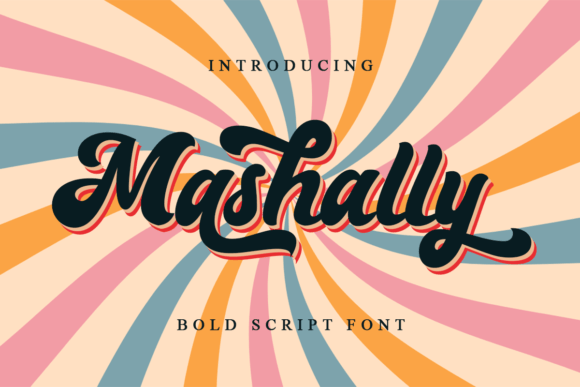
Mashally: A Handwritten Font for Creative Web Design
As a web designer, I’m always on the lookout for fonts that bring personality to digital projects without sacrificing readability. Mashally, a premium handwritten font from Script Amp, has quickly become one of my go-to choices for adding a touch of elegance and warmth to website layouts.
First Impressions: A Vintage-Inspired Display Font
The first time I tried Mashally in a hero section, I was immediately drawn to its vintage calligraphy roots. The fluid strokes and subtle swashes give it a timeless feel that feels both modern and nostalgic. It’s not just a font—it’s a design element that can elevate a brand’s visual identity with ease.
What stands out about Mashally is how well it balances creativity with clarity. It works beautifully in headings, logos, and decorative text, but still maintains enough legibility to be used in more functional areas of a site when needed.
Using Mashally in Digital Layouts
I tested Mashally in several real-world web scenarios, from landing pages to portfolio sites. On a boutique online store, it brought a sense of artisanal quality to the product banners and taglines. For a creative coaching website, it added a personal touch to the hero section, making the brand feel more approachable and authentic.
One of the best things about Mashally is how it performs on mobile devices. Even at smaller sizes, the font remains readable without losing its character. I’ve used it on buttons, CTAs, and section headers, and it never feels too ornate or hard to scan.
Best Uses for Mashally in Web Design
Mashally shines in display roles rather than body copy. It’s ideal for headlines, logo text, and short phrases that need a bit of flair. Pairing it with a clean sans serif font like Lato or Open Sans creates a balanced contrast that keeps the design professional while still feeling creative.
For example, on a course sales page, I used Mashally for the main title and subheadings, while the body text stayed in a simpler font. This created a clear visual hierarchy and made the content easier to digest. It also helped reinforce the brand’s personality—making it feel more unique and memorable.
On a blog redesign, I used Mashally for the header and featured post titles. The result was a fresh, editorial look that felt more engaging than a standard font. It worked especially well over image backgrounds, where the texture of the font complemented the visuals without clashing.
Readability and Responsiveness
When working with digital typography, readability is key. Mashally holds up well on both light and dark backgrounds, though I found it works best on lighter tones where the fine details of the script are more visible. On dark backgrounds, the contrast can sometimes make the letters feel a bit too thin, so I recommend using a slightly bolder weight if available.
It also responds well to different screen sizes. On desktop, the font looks elegant and refined. On mobile, it remains sharp and easy to read, which is crucial for user experience. I’ve used it in responsive layouts without any issues, and it scales smoothly across devices.
Font Pairing and Brand Consistency
Pairing Mashally with other fonts is where its versatility really comes through. In a recent project, I paired it with a simple serif font for the body text, creating a classic yet modern aesthetic. It also pairs well with bold display fonts for accent elements, allowing for more dynamic design choices.
For brand consistency, Mashally is a great choice when you want to maintain a cohesive look across digital assets. Whether it’s a website, social media graphic, or email template, it adds a signature style that helps build recognition.
Considerations for Web Use
While Mashally is perfect for display purposes, it’s not ideal for long paragraphs or dense text. I wouldn’t recommend using it for navigation menus, form labels, or anything that requires high readability at a glance. Its decorative nature makes it better suited for short, impactful text.
Before using Mashally on a live site, I always check the file formats and licensing options. It’s important to ensure that the font is properly licensed for web use, especially if it’s going to be part of a client project or an online store. Script Amp offers webfont versions, which makes integration straightforward.
Another thing to keep in mind is multilingual support. If your site serves an international audience, make sure the font includes the necessary characters for the languages you’re using. Mashally seems to handle most common European languages, but I’d double-check if you’re targeting non-Latin scripts.