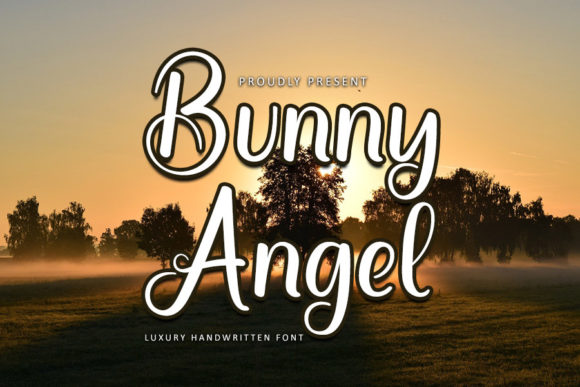
Bunny Angel: A Stylish Handwritten Font
There I was, staring at a blank brand board, trying to find the right visual voice for a new boutique skincare line. The client wanted something elegant but approachable, something that felt personal yet professional. That’s when I reached for Bunny Angel, a stylish handwritten font with a contemporary atmosphere and impeccable form, inspired by a timeless classic calligraphy.
Visual Characteristics and Personality
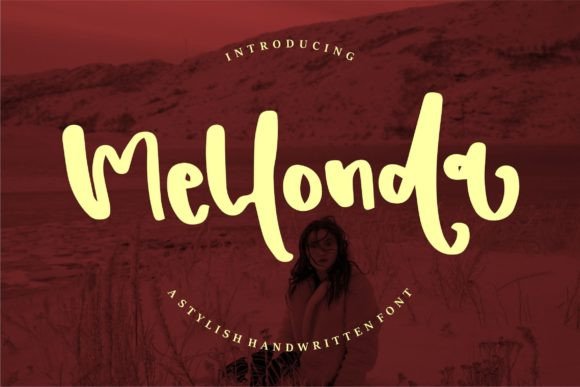
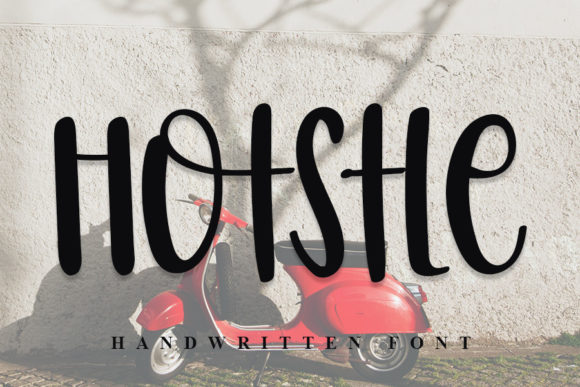
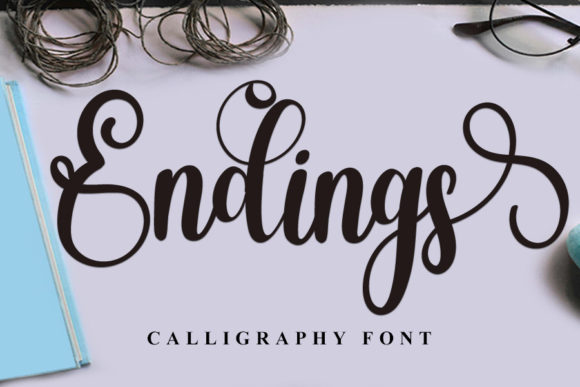
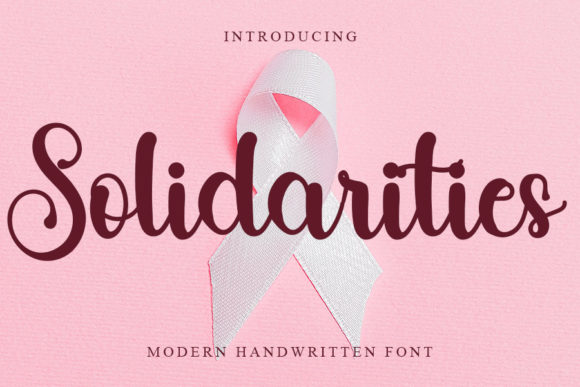
Bunny Angel has a warm, inviting presence. Its curves are fluid, almost dance-like, while its structure remains balanced and refined. The font feels like it was written with a brush or a fine pen, giving it a handcrafted quality that stands out in a sea of digital typefaces. It carries a soft, friendly personality, making it ideal for brands that want to feel authentic and human.
The letterforms are varied enough to add visual interest without becoming distracting. Each character has its own unique flair, especially in the swashes and ligatures, which give the font a sense of movement and energy. This makes it perfect for headlines, logos, and other display applications where visual impact is key.
Real-World Branding Applications
I tested Bunny Angel on a logo concept, and it immediately caught my eye. The font’s organic flow worked well with the minimalist design, adding a touch of sophistication without overwhelming the composition. When paired with a simple sans serif for the tagline, it created a nice contrast that felt modern and cohesive.
On a packaging mockup for a skincare product, Bunny Angel added a sense of luxury and care. The font looked great on both the front label and the back information panel, though I noticed that in smaller sizes, some of the details got lost. It’s definitely a font that shines best in larger formats.
For a business card, Bunny Angel stood out as a strong, memorable choice. The handwriting style made the contact information feel more personal, which aligned well with the brand’s values. However, I wouldn’t recommend using it for long body text—its intricate details can become hard to read when scaled down.
Performance in Different Design Contexts
In web design, Bunny Angel works best as a headline or hero section font. On a website header, it adds a unique visual identity that can set a brand apart. But when used in body text or navigation menus, it can be less legible, especially on screens with lower resolution.
On social media graphics, Bunny Angel is a standout. Whether it’s an Instagram post or a Facebook banner, the font adds a creative, artistic edge that draws attention. It pairs well with bold colors and clean backgrounds, making it a versatile choice for digital marketing.
For editorial design, such as posters or flyers, Bunny Angel can be a powerful tool. Its expressive nature helps convey emotion and energy, making it ideal for event promotions or creative campaigns. But again, it’s important to use it strategically, not as a substitute for readable typography.
Best Use Cases and Limitations
Bunny Angel excels as a display font, particularly in logo design, branding, and packaging. It’s also a great accent font when paired with more traditional typefaces. However, it’s not suited for long paragraphs or formal corporate settings where clarity and consistency are paramount.
It’s best used in short phrases or as a highlight in a design. For example, a bakery might use it for a special offer or a seasonal message, while a handmade shop could use it for product titles or taglines. In these cases, the font enhances the overall aesthetic without compromising readability.
One thing to keep in mind is that Bunny Angel may not work well in all languages. While it likely supports a range of scripts, it’s always wise to check the font’s multilingual capabilities before using it in international projects.
Font Pairing and Practical Tips
When pairing Bunny Angel with other fonts, consider balancing its organic feel with something more structured. A serif font like Playfair Display or a clean sans serif like Lato can create a harmonious contrast. For a more modern look, pair it with a geometric sans serif like Montserrat or Futura.
If you’re working on a project that requires multiple weights or styles, make sure to review what’s included. Bunny Angel likely offers different alternates, ligatures, and swashes that can add depth and variety to your design. These features can be especially useful in creating custom typographic solutions.
Before using Bunny Angel in final client work, test it across different mediums and sizes. Print a sample on a business card, view it on a screen, and see how it looks in various contexts. This will help you understand its strengths and limitations.
Lastly, always check the commercial font licensing. Make sure you have the right to use Bunny Angel in all intended applications, whether it’s for a website, print materials, or merchandise. This ensures that you avoid any legal issues down the line.